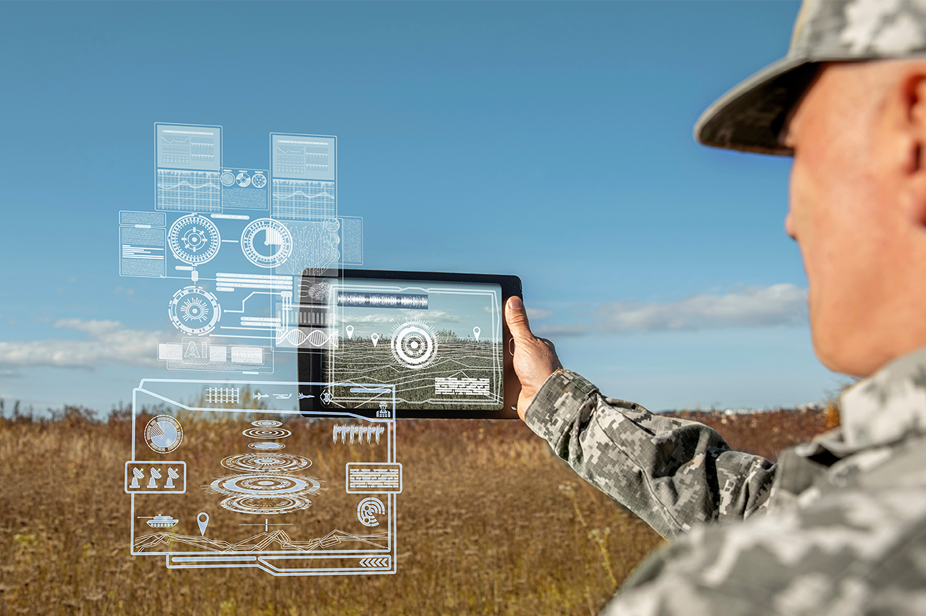
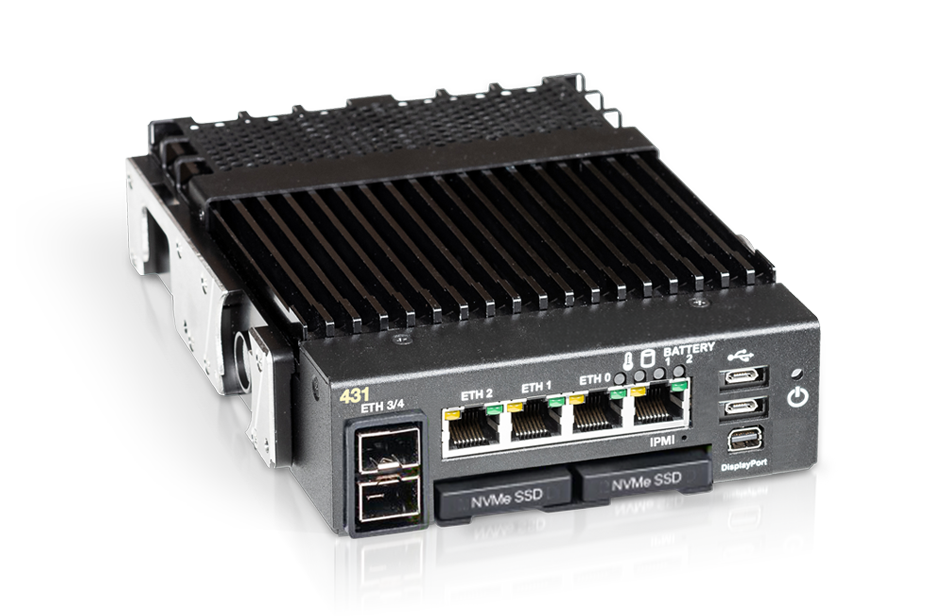
Modern military operations depend on one thing above all else: reliable, interoperable communication. Whether it’s coordinating air and ground assets, managing joint operations across NATO forces, or maintaining command and control (C2) in a denied, degraded, intermittent, or limited (DDIL) environment, everything hinges on the ability to exchange information securely and seamlessly.
This is where the Battlefield Operations Support System (BOSS) comes in. Our new software update brings a new wave of capabilities designed to help users test, simulate, and validate tactical data link (TDL) performance. These updates strengthen reliable, interoperable communication, mitigate operational risks, and adaptation to complex, dynamic environments outside of a real-life platform. From full Link 22 support to enhanced mapping visuals, BOSS now provides warfighters and integrators more ways to ensure that they and their platforms are mission-ready before deployment.
Let’s take a closer look at what’s new, and more importantly, what these updates mean for the people who rely on TDLs every day.
Going All-In on Link 22
One of the main benefits with this new release is complete Link 22 simulation and analysis. For anyone working with NATO or coalition operations, this is a significant leap forward. Link 22 enables beyond-line-of-sight (BLOS) communications using high-frequency (HF) radios.
That might sound like a technical detail, but in practice, it’s a game-changer. In a contested or denied environment, where satellites may be jammed or unavailable, Link 22 provides a critical communications channel. With BOSS, users can now simulate, test, and validate every aspect of that capability, making sure their systems will perform when it matters most.
This testing and validation means:
Teams can train for realistic BLOS communication scenarios
Integrators can confirm that their Link 22 implementation meets operational and certification requirements
Operators can gain confidence that their platform will stay connected—even when other tactical data links can’t
It’s not just about ticking a technical box. It’s about ensuring that when communication lines are under threat, mission coordination continues uninterrupted.
A More Realistic, Immersive Training Environment
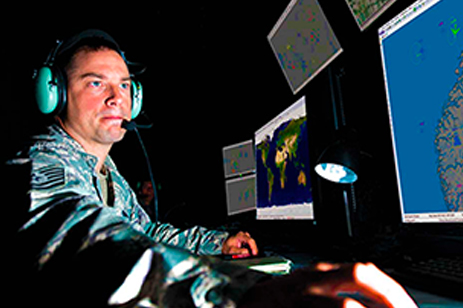
Another standout update is support for KMZ and KML map overlays—the same file types used in popular mapping and simulation tools. These overlays let users layer tactical information directly onto their operational map views, adding clarity and realism to every simulation.
For example, during a simulated mission, an operator might view friendly and adversary positions overlaid on an accurate terrain map, complete with graphical objects that represent threat zones or sensor coverage areas. This type of visual context enables teams to interpret tactical data more quickly and make informed decisions in real-time.
In addition, BOSS now features an enhanced tactical display with polygon filtering, making it easier to manage complex scenarios with multiple moving assets and overlapping data sets. The new interface improvements aren’t just cosmetic. They streamline workflows, reduce cognitive load, and give users more intuitive control over the simulation environment. In short, it looks better, runs smoother, and helps users train the way they’ll fight.
Testing Without Risking the Real Thing
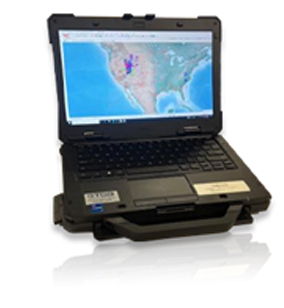
The beauty of simulation-based testing is that it allows users to explore worst-case scenarios without any real-world consequences. BOSS makes this possible across multiple tactical data links, including Link 16, Link 22, and VMF.
Do you need to see how your platform behaves when a radio fails mid-mission? You can simulate that in BOSS—no need to damage a real, and probably expensive radio. Want to test how a network handles simultaneous missile launches or high-volume data traffic? That’s easy, too. Users can model missile engagements, C2 sequences, and even full mission maneuvers—all within a safe, controlled environment.
This flexibility supports both positive and negative testing, helping teams uncover issues early in development and verify fixes before deployment. The result is a validated, certified system that operators can trust in the field.
Built for Interoperability and Readiness
For organizations supporting multinational missions, interoperability is everything. Full Link 22 and Link 16 support in BOSS means users can test and confirm that their systems will communicate seamlessly with allied forces. That interoperability doesn’t just make joint operations possible — it ensures they’re effective.
By providing a realistic, full-featured simulation environment, BOSS helps teams identify integration issues early, reducing risk and accelerating time to certification. Once a platform’s implementation is validated through BOSS, users can be confident it will meet tactical data link certification requirements and perform reliably in the field. And this translates directly into faster mission readiness, fewer delays, and a smoother path from lab to deployment.
Tangible Benefits for Warfighters, Integrators, and System Developers
Another important upgrade is support for Red Hat Enterprise Linux 8.8, which keeps BOSS aligned with the latest secure and stable operating environments. For IT teams, that means smoother integration with existing infrastructure and compliance with modern cybersecurity standards.
Automatic retransmission capabilities have also been enhanced, which means messages can now be automatically resent based on link quality, helping ensure critical data reaches its destination even when communication conditions aren’t ideal.
These improvements may occur behind the scenes, but their impact is clear: stronger reliability, enhanced security, and reduced manual troubleshooting.
When you put all these new features together, you have:
Resilient communications – Train and validate Link 22 networks to ensure reliable BLOS connectivity in contested or degraded environments
Operational confidence – Know your platform will pass TDL certification before it ever leaves the lab
Improved training realism – Map overlays and enhanced displays make simulation more immersive and informative
NATO interoperability – Seamless testing for joint operations with allied forces
Reduced cost and risk – Simulate failures and complex missions without endangering real hardware or assets
Future-proof compatibility – Red Hat 8.8 support and ongoing updates keep systems secure and up to date
Train, Test, and Succeed—Every Time
At the end of the day, BOSS isn’t just about software. It’s about readiness. BOSS provides teams with a comprehensive, flexible environment for validating tactical communications systems under realistic conditions. Operators can experiment, troubleshoot, and optimize before anything ever reaches the field. And when they do deploy, they do it knowing exactly what to expect. No surprises. No uncertainty. Just reliable, verified performance backed by comprehensive testing. Whether you’re coordinating multi-domain operations, integrating new radios, or preparing for NATO certification, BOSS gives you the clarity and control to make sure your systems are up to the task. The latest BOSS update makes it easier than ever to prepare for real-world missions. With full Link 22 support, innovative training tools, and expanded compatibility, it helps warfighters and engineers alike ensure that communication never becomes the weak link in mission success.

Subscribe Today!
Subscribe to our blog and receive a monthly email that keeps you up-to-date with the latest news and insights from Curtiss-Wright.

Steven Horsburgh, Ph.D.
Director of Product Management
Dr. Horsburgh is the Director of Product Management at the Tactical Communications Group of Curtiss-Wright Defense Solutions. After obtaining his Ph.D. in Physics, he has 36 years of research and development experience designing solutions to complex, large, data driven applications for commercial and military use. He has 18 years of experience with Tactical Data Links software design and development in both engineering and management positions. Prior to joining Curtiss-Wright, Steve worked in satellite communications and data management for the Naval Research Lab, Mission Research Corporation, and ATK and subsequently joined Tactical Communication Group, LLC (TCG) to architect, design and manage agile research and innovation projects related to Tactical Data Links including Link 16, Link 22, Link 11, JREAP, VMF, CoT, and CESMO.