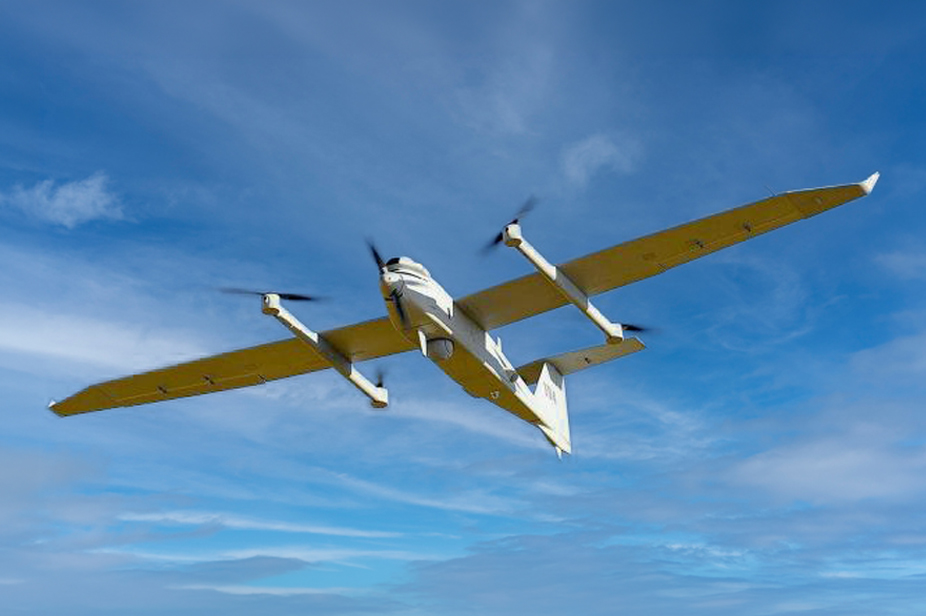
The nature of uncrewed warfare is changing. Autonomous platforms are no longer limited to a small number of highcost systems engineered for survival in every mission. Instead, the U.S. Department of Defense (DoD) is increasingly prioritizing systems that can be produced at scale, deployed rapidly, and operated in high-risk environments.
Advances in autonomy, sensing, and communications have enabled smaller, affordable platforms to perform missions once limited to larger, expensive enduring systems. Recent conflicts show the value of these autonomous platforms, making them a key part of the U.S. modernization efforts.
Autonomous systems that are designed to be reused but are affordable enough to tolerate loss, known as attritable systems, are central to this shift. While the loss of these uncrewed systems might be acceptable, the loss of the sensitive data they hold is not.
This paper examines the rise of attritable systems, explains what sets them apart from enduring and expendable platforms, and discusses the technical challenges of operating in high-risk environments. It focuses on how the evolving role of mission data drives new requirements for data-at-rest (DAR) protection in modern autonomous platforms.
Log in to download the case study.

Steven Petric
Senior Product Manager
The Product Manager for our data storage solutions, Steven, is a data-driven professional with over 20 years of experience bringing new offerings to market and improving existing offerings. He has a Masters in Business along with Pragmatic Marketing Certification and is a Project Management Professional (PMP).

Taylor George
Product Marketing Specialist
Taylor has more than nine years of experience in the defense and aerospace industry. A native of Dayton, Ohio, the birthplace of aviation, she holds a bachelor's degree in marketing from Wright State University and specializes in secure data storage solutions.
