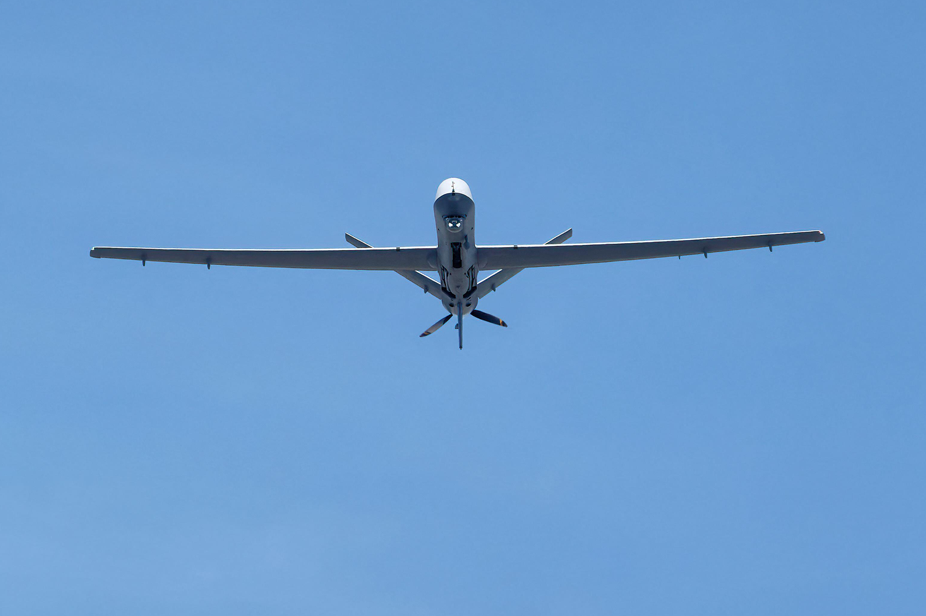
The rapid proliferation of Unmanned Vehicles (UVs) across defense domains is revolutionizing military operations, delivering unprecedented capabilities in intelligence, surveillance, reconnaissance (ISR), precision strike, and logistics. However, the distributed nature of UV operations, driven by the collection and transmission of sensitive, classified data, introduces significant new cybersecurity challenges.
This paper explores how to protect data on unmanned platforms and ensure the protection of sensitive data in contested environments. It suggests that a robust, layered security architecture employing High Assurance Internet Protocol Encryptors (HAIPEs) for data-in-transit (DIT) – specifically the Cryptographic High Value Product (CHVP) type of HAIPE – and Commercial Solutions for Classified (CSfC) for data-at-rest (DAR) addresses the challenge.
Protecting Classified Data at the Edge
The military use of unmanned vehicles changes how data is generated, processed, and transmitted at the tactical edge.
Their operational context – remote, austere, and contested environments – creates a challenging security landscape and requires new methods to secure the vast quantities of sensitive information they collect and transmit. UVs often execute higher-risk missions that increase their chances of being captured/exploited.
The cybersecurity challenges in this context are not met by typical network solutions because the mobility and distributed nature of unmanned operations place these platforms outside conventional fixed network perimeters. This exposes them to sophisticated interception and compromise attempts. And they are high-priority targets because the intelligence these systems collect is valuable – from high-resolution imagery and multispectral sensor data to mission-critical command-and control directives.
Log in to download the white paper.

Steven Petric
Senior Product Manager
The Product Manager for our data storage solutions, Steven, is a data-driven professional with over 20 years of experience bringing new offerings to market and improving existing offerings. He has a Masters in Business along with Pragmatic Marketing Certification and is a Project Management Professional (PMP).


