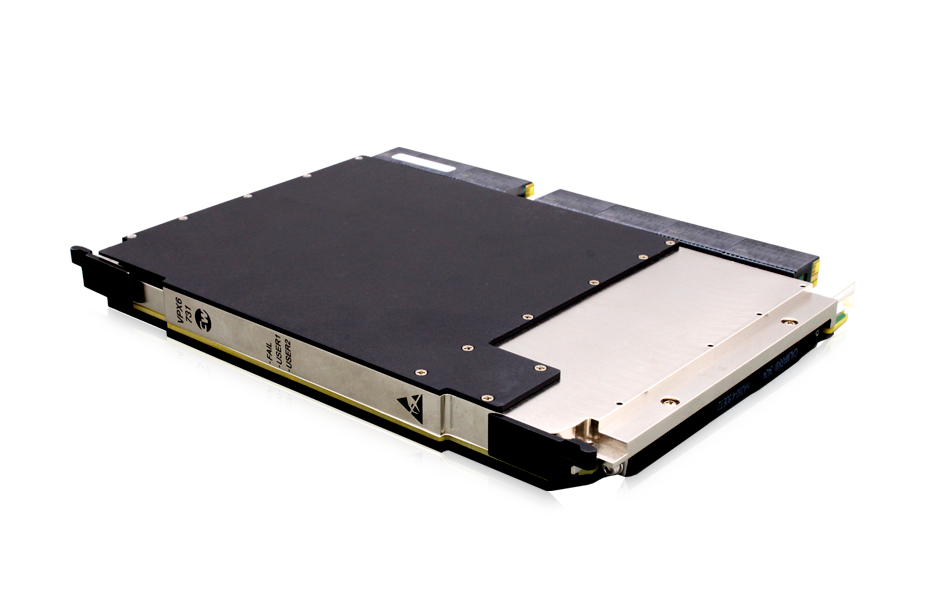
We’re introducing the VPX6-731, a major leap forward in rugged AI and sensor processing. Unveiled today in Washington DC at NVIDIA GTC 2025, this new 6U OpenVPX GPU board delivers dual NVIDIA RTX PRO™ 5000 Blackwell GPUs in a single slot - bringing data center-class AI performance directly to deployed systems at the tactical edge.
Why We Built It
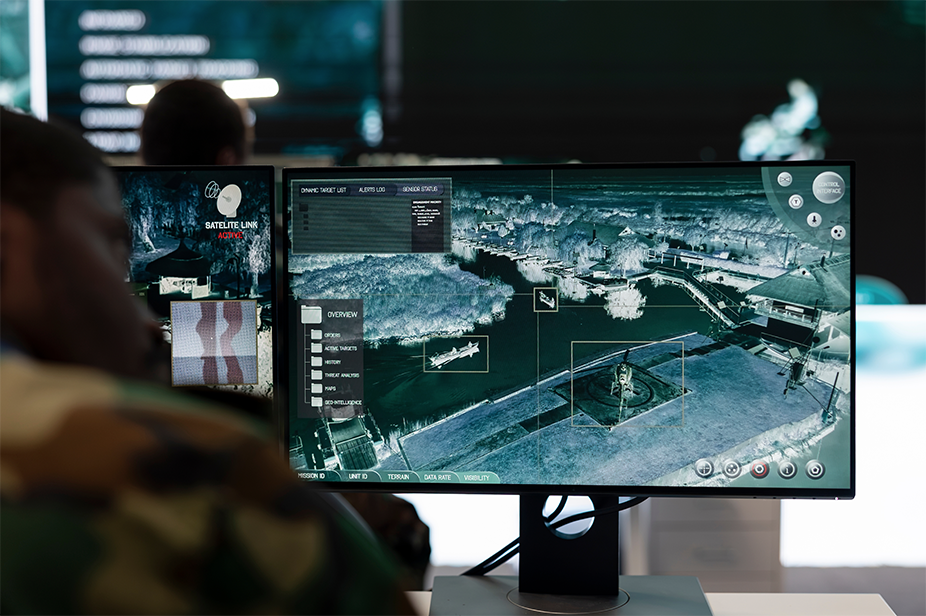
Modern radar, EW, and ISR systems depend on real-time data fusion and decision-making. As sensors get smarter and datasets grow larger, legacy architectures can’t keep up. We designed the VPX6-731 to solve this issue - enabling AI inferencing, deep learning, and sensor fusion to happen where the data originates at the tactical edge.
Performance That Changes What’s Possible
Each Blackwell GPU delivers a dramatic jump in floating-point and tensor performance over previous generations. Together, the dual-GPU architecture provides up to 100 TFLOPS of single-precision compute power with a combined 48 GB of GDDR7 memory, achieving the highest performance-per-watt available in a rugged 6U VPX form factor.
This isn’t just faster silicon - it’s an operational advantage. More frames processed, more signals correlated, more targets tracked - all in less time, under the harshest conditions.
Built for the Fabric100™ Ecosystem
The VPX6-731 is part of our Fabric100 portfolio, Curtiss-Wright’s SOSA-aligned OpenVPX ecosystem. It connects seamlessly with our CHAMP-XD4 and CHAMP-FX7 processing modules as well as our VPX6-682E Ethernet switch, forming a complete end-to-end processing chain that’s already been validated for interoperability. For system designers, that means less risk, faster integration, and proven performance - all from one trusted supplier.
Keeping It Cool Under Pressure
Pushing this much power in a single slot isn’t trivial. That’s why the VPX6-731 offers three advanced cooling options - conduction-cooled (CC), Liquid Flow Through (LFT), and our differentiating Air Flow Through (AFT) design. These cooling solutions make sustained AI performance possible in high-power, SWaP-constrained platforms where traditional approaches would throttle or fail. It’s one more way we ensure technology performs when missions can’t afford downtime.
Sustaining Readiness Across Decades of Deployment
NVIDIA’s innovation cadence is fast - program lifecycles are not. Through our Total Lifecycle Management (TLCM) program, we manage component availability, last-time buys, and form-fit-function updates so customers can field systems for decades without redesign surprises. That means predictable spares, reduced sustainment cost, and mission readiness you can count on.
Why This Matters for the Mission
For system engineers, the VPX6-731 unlocks new levels of parallel processing for radar, SIGINT, and sensor fusion workloads. For program managers, it provides a standards-aligned, low-risk path to fielding AI-ready systems faster. And for the operators who depend on those systems - it means better situational awareness, faster decisions, and greater confidence when it matters most.
By bringing NVIDIA’s Blackwell GPU technology to the edge, the VPX6-731 helps allied and partner defense forces detect, decide, and act with unmatched speed and precision - strengthening every mission it supports.
Learn More
Discover how the VPX6-731 integrates into our Fabric100 ecosystem and enables AI at the edge. Download the VPX6-731 datasheet.

Subscribe Today!
Subscribe to our blog and receive a monthly email that keeps you up-to-date with the latest news and insights from Curtiss-Wright.

Thomas King
Product Manager for GPU and Edge Compute Solutions
Thomas King is a Product Manager at Curtiss-Wright Defense Solutions, managing the GPU compute and graphics product line. Thomas has a degree in Aerospace Engineering from Carleton University with a specification in Space Systems Design. With a background in technical sales and applications engineering, he has experience supporting customer integration of embedded electronics. Thomas is interested in new and innovative solutions regarding sensor, AI, RF, and compute technology.